Rash Hour: Road Rash on Real Streets, Built with Opus
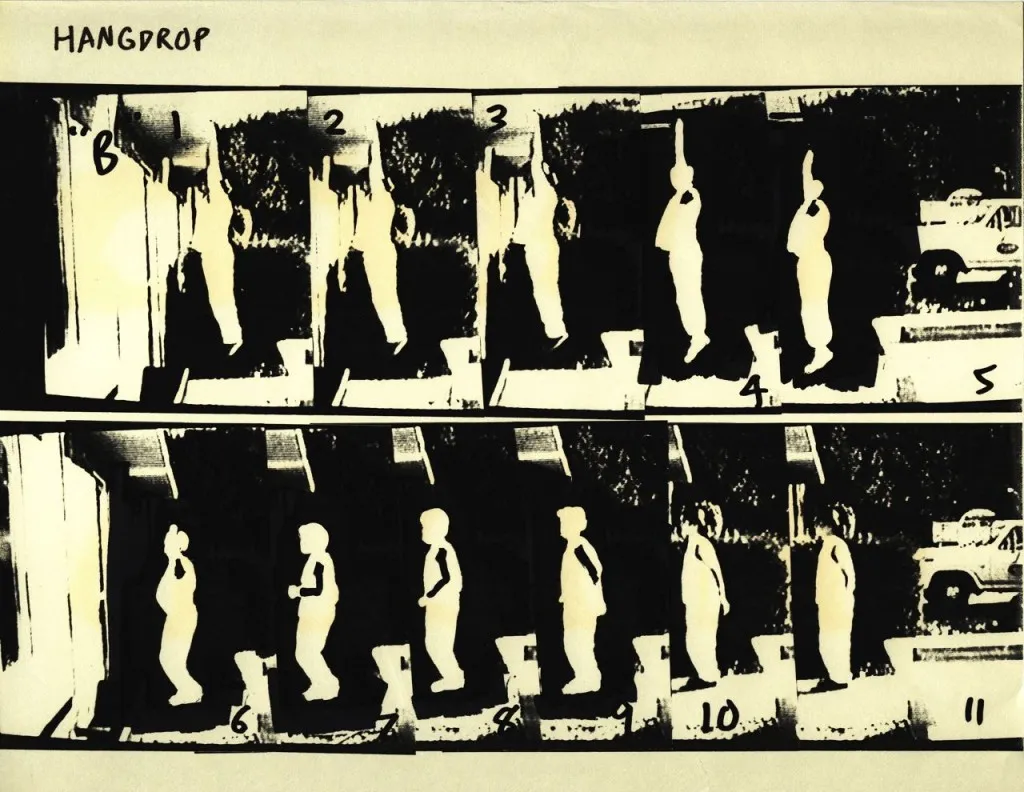
As a kid growing up in the 90s, games were a huge part of my first PC experience. Before PCs, there were consoles like Atari (and some cheaper variants) that you could hook up with the TV but somehow we never got one at home. Prince of Persia was the first real, complex game that I remember playing on the PC and it was engaging, complex and fun! I recently watched this interview with Jordan Mechner who describes how he made his brother perform the actual physical actions, made a VHS recording of it and used still frames from that video to design how the main character in the game moves. Watching those movements where the protagonist climbs up a level, changes directions with a slide - it brought back such fond memories from hours spent playing Prince of Persia. Huge kudos to Andrej Karpathy for making HackerTube that surfaces all these amazing videos way better than the YouTube algorithm.
But that brings me to my favorite genre of games - racing. I was a huge fan of the Need for Speed (NFS) series and remember waiting eagerly for each version to release. It would come in a nice box package that contained a CD-ROM and a well designed booklet where the latest car models would be described along with pictures. You could select from different car models, pimp them up with nitro boosters, add aftermarket parts like underbody LEDs and rear spoilers. In stark contrast to NFS was Road Rash - a very simple street-bike racing game where you had to weave through traffic, you could club and kick your opponents and even run over old ladies (gosh!). In comparison to NFS graphics and circuits, this was strictly average but somehow the gameplay had this badass feeling which was very exciting as a teenager. I think it was to do with the fact that these acts were illegal and downright dangerous to do in real life but in the game it felt cool and fun to do it!
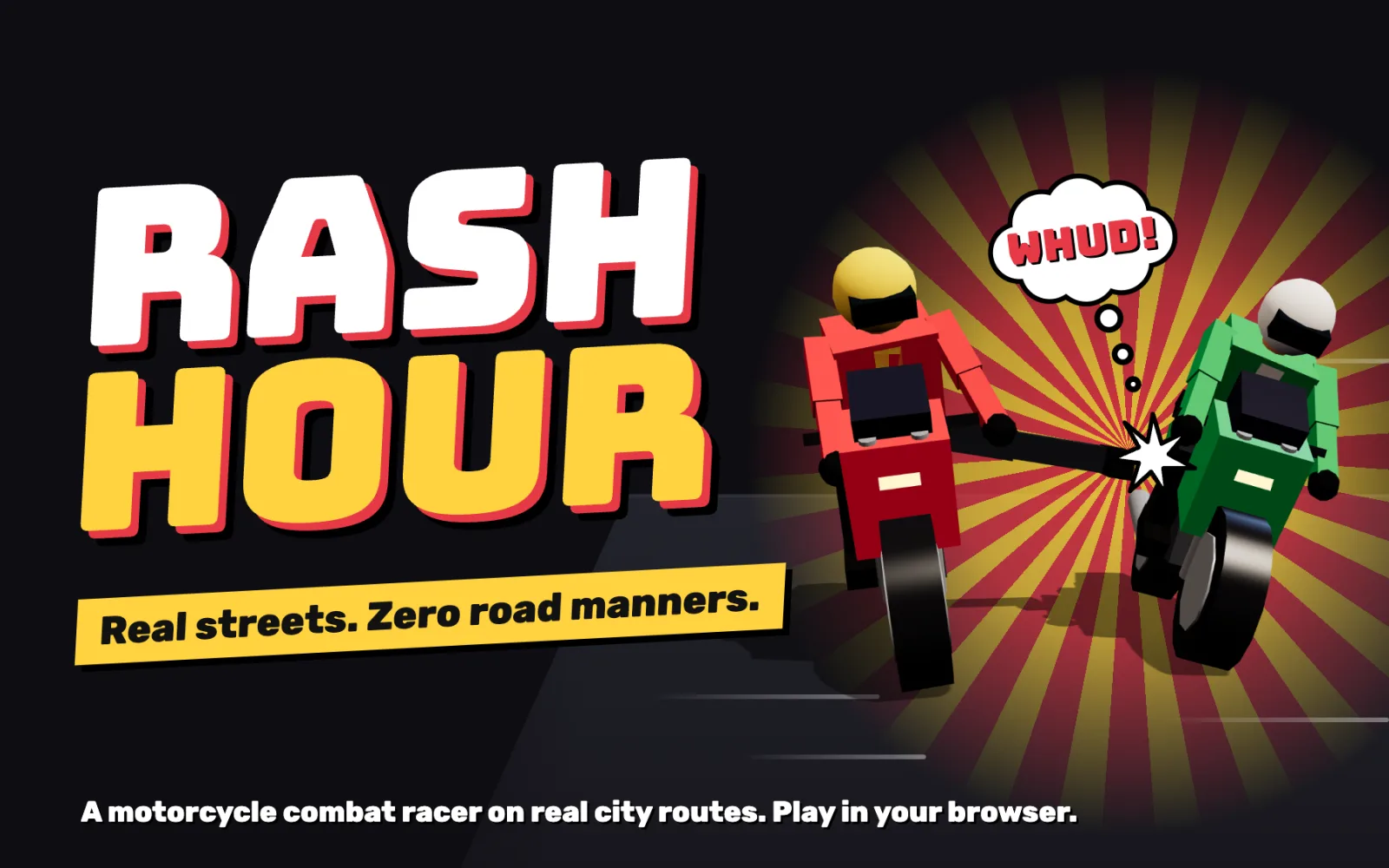
When Fable 5 launched in July 2026, Anthropic offered a limited period of time where it was available to Claude Pro users and the capability that everyone on X seemed to be raving about was game development. That’s when I first got the idea for Rash Hour - my tribute to Road Rash but with a twist. I wanted the same gameplay but on real streets in real cities - mimicking your daily commute. I was quite surprised to see how easy it is to create such a game that can be played using only the browser and I also tried to understand how the graphics work - how 2D shapes are rendered, how they build as a layer on top of each other to create an illusion of the road flowing and the race progressing. It felt like diving into the world of John Carmack and John Romero as described in the book Masters of Doom, which I highly recommend reading.
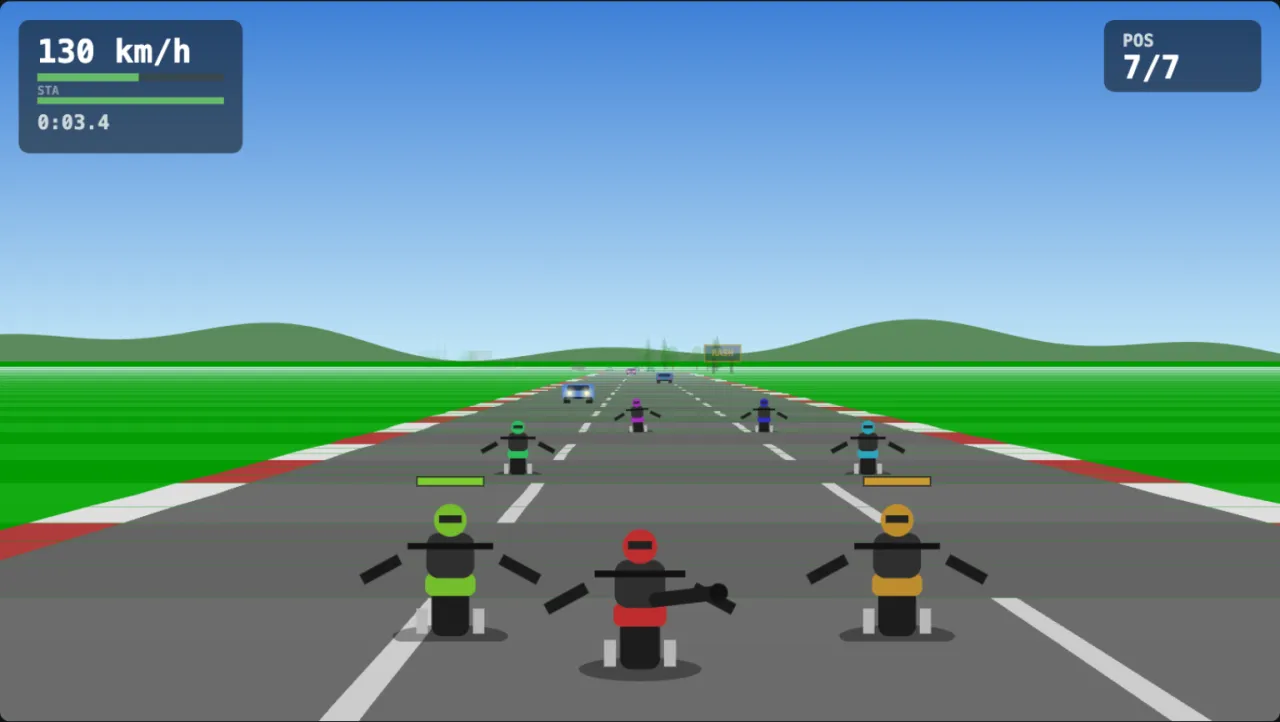
While I was extremely surprised at how easy it was to create such graphics with Fable, it still did not feel one-shot. I had to play the generated game, find issues and bugs and get Fable to fix it. Even when asked to debug by itself, it would take multiple screenshots which doesn’t really capture the gameplay experience. Since everyone was raving about it, I assumed this would be a 2 hour project. But I soon realized that I would need to spend much more time shaping it and as usual abandoned it.
But a recent post from Simon Willison caught my eye where he detailed his experience using Opus 5.5 to make several games and called it The October inflection point for vibe game development. What caught my attention was that he seemed to have a great one-shot experience by using certain specific keywords in the prompt:
use threeJS to create a slick, mobile friendly game
I realized that I had not been opinionated in how I want the game to be built when using Fable as I was a noob and lacked the vocabulary. I was inspired to revisit Rash Hour again, this time using Opus 5.5 and the prompt inspiration from Simon. The resulting gameplay is what you see in the clip and can actually play for yourself here.
The gameplay reflects real streets from several cities with actual elevation changes, real buildings showing up and riding alongside water bodies like Marine Drive in Mumbai. And the gameplay is actually tough (I finished between 6th and 8th position in my first few tries) but engaging enough that I kept coming back to it. The option to add your own route works via external, free APIs which tend to get overloaded if there are too many requests, so your experience may vary. But it does work on my six year old Android phone using the gyro to steer! It’s ridiculous how much I enjoy playing the game and took me back in time to my teenage years playing the original Road Rash.
My experience with Opus 5.5 was much better than Fable and a lot of it might be down to a skill issue on my part. Probably Opus 5.5 is a distilled, more easy to use version of Fable and that’s what helped me. I also remember that when using Fable, I had a lot of token anxiety and kept monitoring the usage stats frequently. It was probably not the best state of mind to be in while building a game. I’ve hosted the game on Cloudflare and it runs fully in the browser with no need for login or usage limits. So what are you waiting for - get racing and let me know what you think.